AfPAD Team
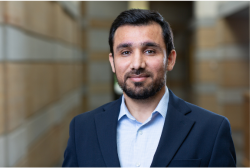
Aref Dostyar is the Director of the Afghanistan Program for Peace and Development (AfPAD) at the University of Notre Dame’s Kroc Institute for International Peace Studies. In this role, he strategizes, builds partnerships, convenes people, and coordinates resources to further AfPAD’s mission.
Under Dostyar's direction, graduate students from Afghanistan and/or Central Asia work as research assistants to support the program.
Notre Dame Faculty
The following Notre Dame faculty members advise and support AfPAD:
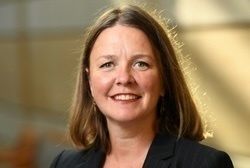
Erin B. Corcoran, Associate Teaching Professor; Executive Director, Kroc Institute for International Peace Studies
Corcoran advises the program on building partnerships with universities in the region surrounding Afghanistan.
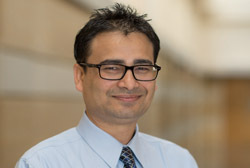
Madhav Joshi, Research Professor and Associate Director of the Peace Accords Matrix (PAM)
Joshi provides ongoing research into peacebuilding in Afghanistan and the region, with a focus on peace accords and how they are monitored and implemented.
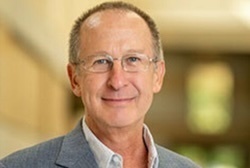
Asher Kaufman, John M. Regan, Jr. Director, Kroc Institute for International Peace Studies; Professor of History and Peace Studies
Kaufman advises the program on building partnerships with universities in the region surrounding Afghanistan.
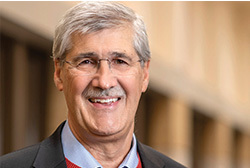
John Paul Lederach, Professor Emeritus of International Peacebuilding
Lederach serves as a strategic advisor to the program, drawing on his decades of pioneering experience in conflict transformation.

George A. Lopez, Rev. Theodore M. Hesburgh, C.S.C., Professor Emeritus of Peace Studies
Lopez is providing policy research on the costs and benefits of updating the conditions of UN sanctions on the Taliban. This will lay the groundwork for a more comprehensive research project on sanction regimes that are imposed on Afghanistan.

Drew Marcantanio, Assistant Professor of Environment, Peace, and Global Affairs
Marcantonio helps design dialogue for Afghanistan’s economic sector, with a focus on environmental topics.
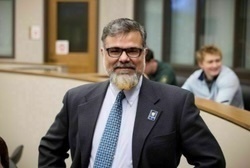
Mahan Mirza, Executive Director, Ansari Institute for Global Engagement with Religion
Mirza facilitates dialogue among a group of Ulama — Islamic scholars specializing in sacred law and theology — from Afghanistan and Pakistan.
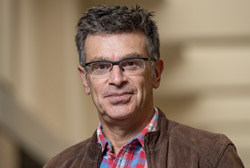
Laurie Nathan, Professor of the Practice of Mediation and Mediation Program Director, Kroc Institute for International Peace Studies
Nathan advises the program and shares actionable recommendations with policymakers. He also organizes meetings with peacebuilding and diplomacy leaders from Afghanistan, facilitating an exchange of ideas that draw on local insights and leadership.
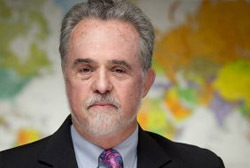
Ray Offenheiser, Senior Advisor to the Dean, Keough School of Global Affairs
Offenheiser continues to write about and discuss how the Taliban’s rule affects the humanitarian situation in Afghanistan.

Maura Policelli, Executive Director, Keough School Washington Office
Policelli supports public engagements that inform policymakers who work on issues related to Afghanistan, including congressional briefings and policy conversations at the Keough School Washington Office.
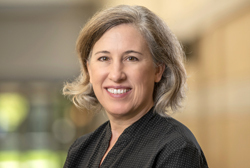
Lisa Schirch, Richard G. Starmann, Sr. Professor of the Practice of Peace Studies, Kroc Institute for International Peace Studies
Schirch conducts research on how a new class of digital deliberative digital technologies can help support democratic participation in fragile contexts including Afghanistan. She also advises the program on stakeholder analysis as well as dialogue and visioning.