Ph.D. in Peace Studies
The Ph.D. program at the Kroc Institute empowers students to become outstanding scholars, teachers, practitioners and policymakers. Through their academic studies and practicums, doctoral students contribute to a growing body of peacebuilding knowledge and practice with the goal of addressing violence, alleviating human suffering, enriching global networks of scholarships, and enhancing policy and practice.
Students not only benefit from the range of expertise within the Kroc Institute, but collaborate with other Institutes and faculty, both within the Keough School of Global Affairs and across the University. Students have access to extensive research opportunities, including with the Peace Accords Matrix (PAM) Project, and contribute to shaping the agenda of emerging research initiatives within the Kroc Institute on peace technology, mediation, the future of Afghanistan, intersectionality and justice, environmental justice, and other areas related to policy and practice.
Upon graduation, students are equipped for a wide variety of scholarly, teaching, and professional careers. Visit our Alumni page to see where some of our graduates have landed.
Ph.D. students specialize in one of seven unique degree programs:
-
International Peace Studies
-
Peace Studies and Anthropology
-
Peace Studies and History
-
Peace Studies and Political Science
-
Peace Studies and Psychology
-
Peace Studies and Sociology
-
Peace Studies and Theology
Applicants to the doctoral program in International Peace Studies must hold a bachelor’s degree from an accredited institution and a master’s degree in Peace Studies or a related field.
Applicants to the doctoral program in Peace Studies plus a partner discipline (“joint Ph.D.”) should have formal training and/or a degree in their selected discipline.
In the interdisciplinary International Peace Studies Program and in the joint programs, approaches and methods from the field of Peace Studies are integrated with those of other disciplines to create a unique framework of study for each student.
All admitted students receive a full tuition scholarship, generous stipend (Cost-of-living in South Bend), health insurance, and additional funding for conference travel and research activities.
Information on how to apply can be found here.
Current Notre Dame graduate students pursuing a terminal master’s or doctoral degree are invited to complete a Graduate Minor in Peace Studies.
Questions? Contact: krocphd@nd.edu
Peace Studies and Anthropology
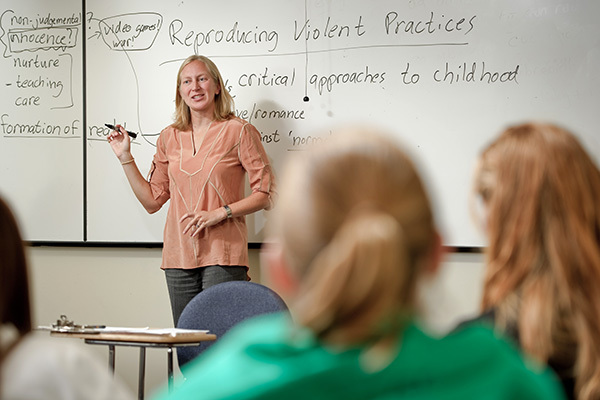
What are the cultural, social, and historical contextual dimensions of structural and violent conflict? How does an ethnographic focus create the possibility for better crafting conflict transformation? The Peace Studies and Anthropology doctoral program at the University of Notre Dame equips students with the theoretical and methodological tools of anthropology to answer these and related questions.
Peace Studies and History

What are the historical or root causes of violent conflict? How have various social movements evolved over time? In what way is history manipulated for the sake of attaining political goals? How is foreign policy informed by historical information or knowledge? The Peace Studies and History doctoral program at the University of Notre Dame equips students with the analytical and conceptual tools of history to address these questions and related questions of peace and conflict.
Peace Studies and Political Science
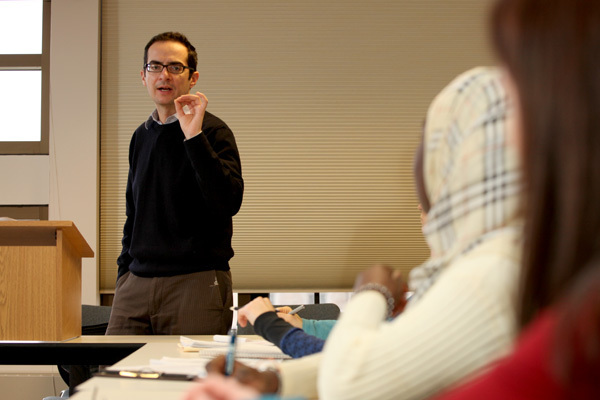
What are the sources of violent political conflict? What institutions, strategies and tools are available to secure peace and justice? How can international and domestic actors foster peace, and what are the roles of norms, values and beliefs in continued peace efforts? The Peace Studies and Political Science doctoral program at the University of Notre Dame provides students with the theoretical and methodological tools of political science to answer these and related questions.
Peace Studies and Psychology
How and why does political violence affect individuals, especially young people? What are the implications for the continuation or mitigation of violent conflict? The Peace Studies and Psychology doctoral program at the University of Notre Dame equips students with the theoretical lens and methodological tools of psychology to answer these and related questions. The integration of interdisciplinary peace research methods ensures practical applications for policymakers and for individuals in war, violent conflict, and post-war settings.
Peace Studies and Sociology
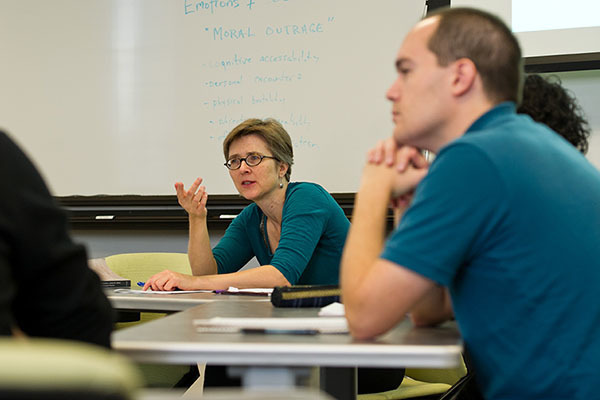
How does the structure of society influence conflict or post-conflict peacebuilding? What variables affect the capacity of nonviolent civil resistance movements? How do religious norms and practices contribute to conflict and peacebuilding?
The Peace Studies and Sociology doctoral program at the University of Notre Dame provides its students with the theoretical background and methodological tools to answer these and related questions. The doctoral program provides rigorous training in both sociology and peace studies.
Peace Studies and Theology
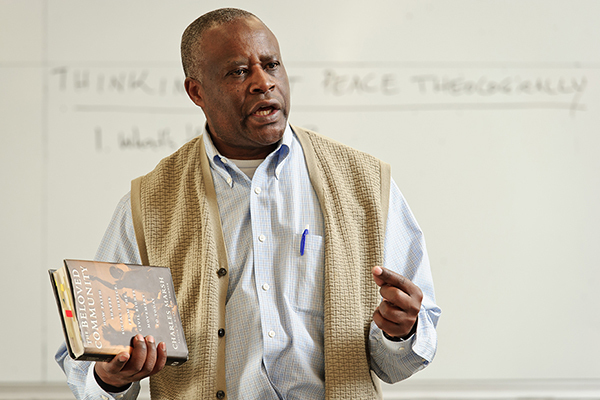
How do theological thought and practice shape violent conflict? What is the relationship between theological thought, practice and peacebuilding? What do sacred scripture, ethics, liturgy, history and systematic theology contribute to peace and conflict in theory and practice?
The Peace Studies and Theology doctoral program at the University of Notre Dame equips students with frameworks and methodologies to help them think theologically about peace and conflict.
International Peace Studies

What do we mean when we talk about peace? Is it simply the absence of war or something more substantive? How is the nature of conflict changing? What strategies and tools exist to promote peace in the world, at global, national and local level, and how could we develop these to meet new challenges? The interdisciplinary PhD program in International Peace Studies offers the opportunity to bring together, in a flexible and innovative way, approaches and methods from across the sciences, social sciences, and humanities to address a range of contemporary issues of peace.
Contact
Caroline Hughes
Rev. Theodore M. Hesburgh CSC Professor of Peace Studies
Director of Doctoral Studies
Kathryn Sawyer Vidrine
Assistant Director for Doctoral Studies