Master of Global Affairs, International Peace Studies Program
Now more than ever, the world needs skilled peacebuilders who understand global and local dynamics and who take strategic action for peace and justice. Come study strategic peacebuilding at one of the world’s leading centers for the study of violent conflict and strategies for sustainable peace.
The Kroc Institute administers the International Peace Studies (IPS) concentration of the Master of Global Affairs (MGA), a program of the Keough School of Global Affairs.
The IPS curriculum is rigorously interdisciplinary and pushes students to move beyond simplistic solutions to violence and toward conflict transformation in complex and dynamic environments.
The IPS concentration builds on the Kroc Master’s Degree in International Peace Studies. Over its 35-year history, the program equipped over 1,900 students to serve around the world in the public, private and nonprofit sectors, including government agencies, multinational organizations, international research and policy centers, and local, regional, and global nongovernmental organizations.
Following a year of coursework on campus, participants in the IPS concentration will spend six months working with leading organizations in Asia, Africa, Latin America, the Middle East, or the United States, strengthening their professional skills through reflective practice. Students return to campus for their final semester to complete an integrative master’s capstone project.
Thanks to the generosity of Mrs. Joan B. Kroc, the Kroc Institute offers a full scholarship and stipend for housing to all students accepted into the IPS concentration of the MGA program. View admissions requirements here >>>
The MGA program integrates rigorous coursework; close engagement with policymakers and practitioners; multi-disciplinary faculty and students from around the world; and extended field work with global and local partner organizations. MGA students can also pursue concentrations in Sustainable Development or Governance and Policy.
The deadline for applications is December 15 each year.
Questions?
Students in peace studies are advised by Jen Betz. She welcomes your questions or inquiries regarding the IPS concentration and MGA program.
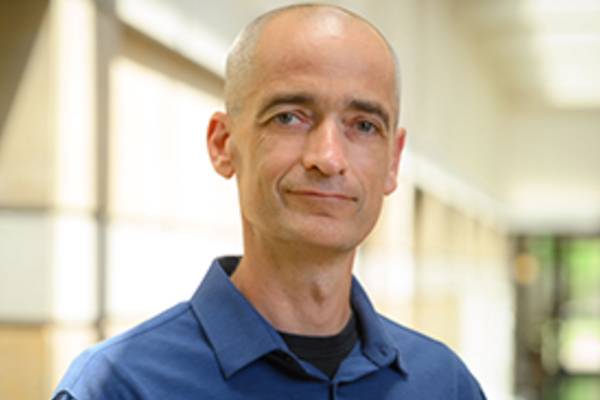
Norbert Koppensteiner
Director of the International Peace Studies Concentration
nkoppens@nd.edu
+1 574-631-8763
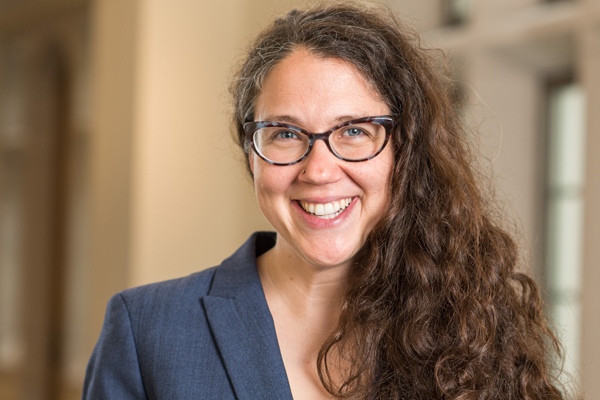
Jennifer Betz
Assistant Director of the International Peace Studies Concentration
Jbetz2@nd.edu
+1 (574) 631-0934
Curriculum

Professional Field Experiences
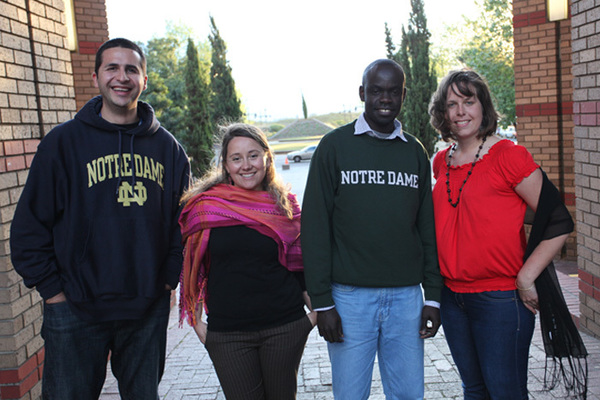
Current Students
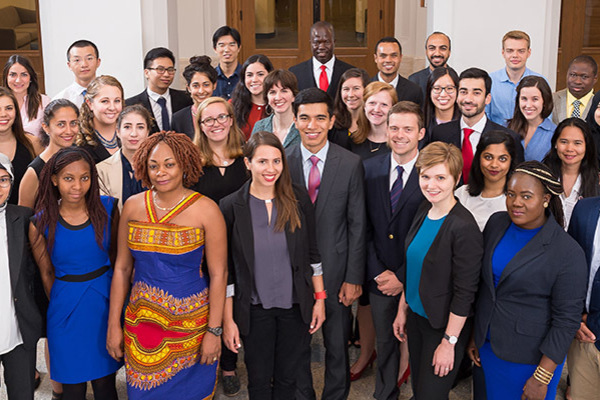
Alumni Peacebuilders
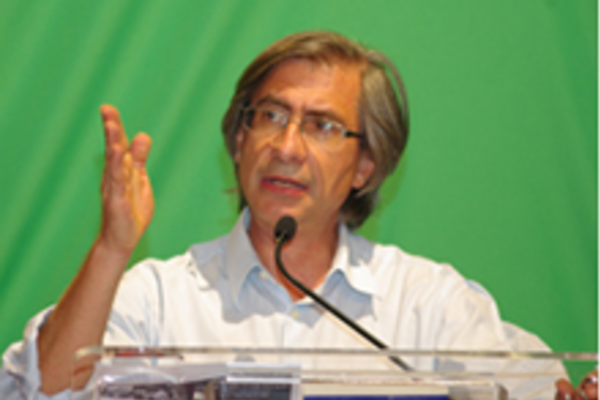
Jorge Vargas-Cullell, M.A. ’94
Jorge Vargas-Cullell is the Director of Estado de la Nación (State of the Nation), a Costa Rica-based center of thought that conducts research on sustainable development in Costa rica and in Central America.
Jennifer Betz
Assistant Director of the International Peace Studies Concentration
Jbetz2@nd.edu
+1 (574) 631-0934